
Brownfield plant expansion in India has quietly become the default way manufacturers add capacity in 2026, and the reason is simple: it is faster, cheaper, and less risky than building a new plant from scratch.
The demand signal is loud. India’s manufacturing output grew 7.8 percent year-on-year in June 2026, one of the fastest paces in nearly two years, and the S&P Global HSBC India Manufacturing PMI has held above the 50 mark that separates growth from contraction right through the year. When existing lines start running near full utilisation, the fastest way to make more is to expand where you already are.
That is exactly what companies are doing. Instead of buying new land and waiting years, they are debottlenecking existing sites, adding production lines, and upgrading utilities at plants that are already permitted and connected. This guide explains what is driving the wave, how a brownfield project actually runs, and the one thing that decides whether it succeeds: keeping production alive while you expand.
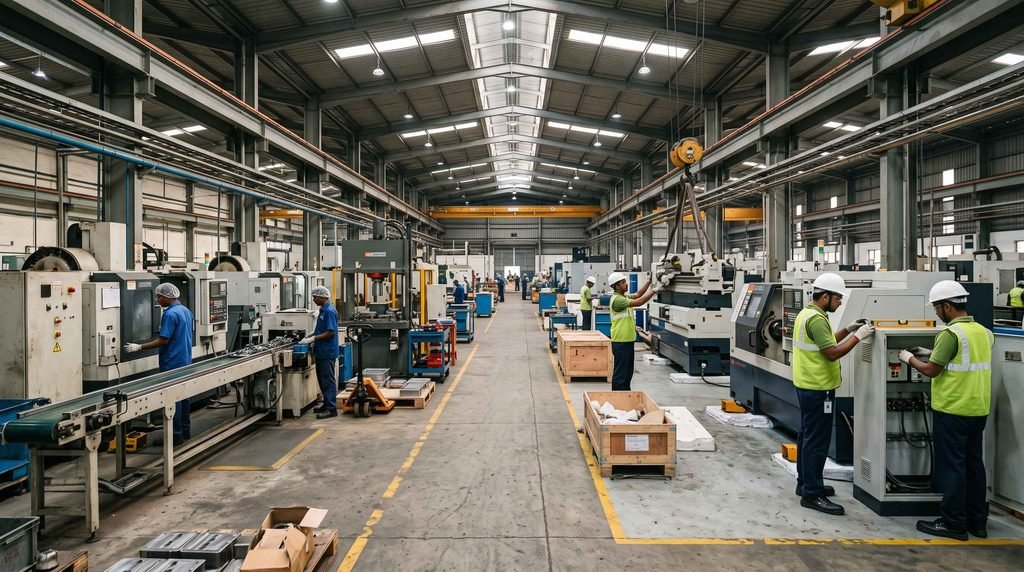
Table of Contents
- Brownfield Plant Expansion in India: Why It Is Accelerating
- Brownfield vs Greenfield: Why Speed Wins in 2026
- The Sectors Driving the Expansion Wave
- How a Brownfield Expansion Project Actually Runs
- The Zero-Downtime Challenge Nobody Talks About
- What Manufacturers Must Do Right Now
- How One World Logix Supports Brownfield Expansion
1. Brownfield Plant Expansion in India: Why It Is Accelerating
Three forces are pushing this trend, and they are all pulling in the same direction. Urgent near-term demand means manufacturers cannot wait years for a new site. The China Plus One shift is bringing fresh orders that need capacity now. And PLI plus state incentives reward companies that add output quickly.
The policy push is real. The Union Budget 2026-27 deepened PLI disbursements and announced dedicated rare earth corridors across Odisha, Kerala, Andhra Pradesh, and Tamil Nadu, all of which feed faster capacity additions in electronics, EV, and defence supply chains. Put together, brownfield plant expansion in India has become the practical answer to a demand curve that will not wait.
2. Brownfield vs Greenfield: Why Speed Wins in 2026
The maths is hard to argue with. An existing plant that is permitted, utility-connected, and running at 70 to 80 percent capacity can add a new line and reach first output in roughly 6 to 12 months. A greenfield site at a new location usually takes 24 to 48 months from land identification to production, once you count clearances, construction, and commissioning.
For a manufacturer chasing near-term demand, that time gap is everything. Brownfield expansion also reuses existing land, power, water, and trained workforce, which cuts both cost and risk. Greenfield still makes sense for a confident multi-year bet, but for adding output this year, brownfield plant expansion in India wins on speed almost every time.
3. The Sectors Driving the Expansion Wave
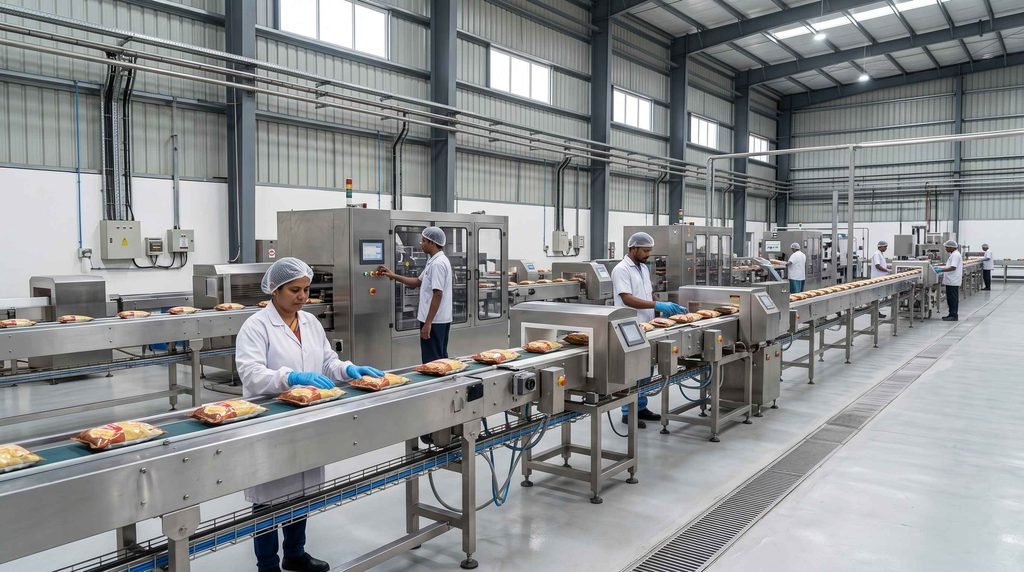
The clearest example came from FMCG. Nestlé India disclosed in April 2026 a brownfield expansion of its Sanand plant in Gujarat, adding a new Maggi noodles line of 20,500 tonnes per year on top of existing capacity, funded entirely from internal accruals. It is a textbook brownfield move: add a line where the plant, permits, and people already exist.
The same pattern runs across pharma, chemicals, steel, automobiles, and electronics. Electronics and motor vehicles have been among the strongest output drivers, and heavy players like Tata Steel at Kalinganagar and Maruti Suzuki have expanded capacity at existing sites. Wherever a plant is near its ceiling, brownfield plant expansion in India is the tool of choice.
4. How a Brownfield Expansion Project Actually Runs
A brownfield project is not just bolting on a machine. It is an integrated programme across civil work, utilities, and equipment, all executed inside a site that is still producing.
It starts with a feasibility and condition assessment of what already exists, followed by a plan that sequences civil and utility readiness before any new equipment arrives. Then comes the physical work: relocating some machines to make room, dismantling old lines, bringing in and installing new equipment, aligning it, connecting utilities, and running commissioning and production validation. Get the sequence wrong and the whole site stalls. Get it right and new capacity comes online with barely a ripple.
5. The Zero-Downtime Challenge Nobody Talks About
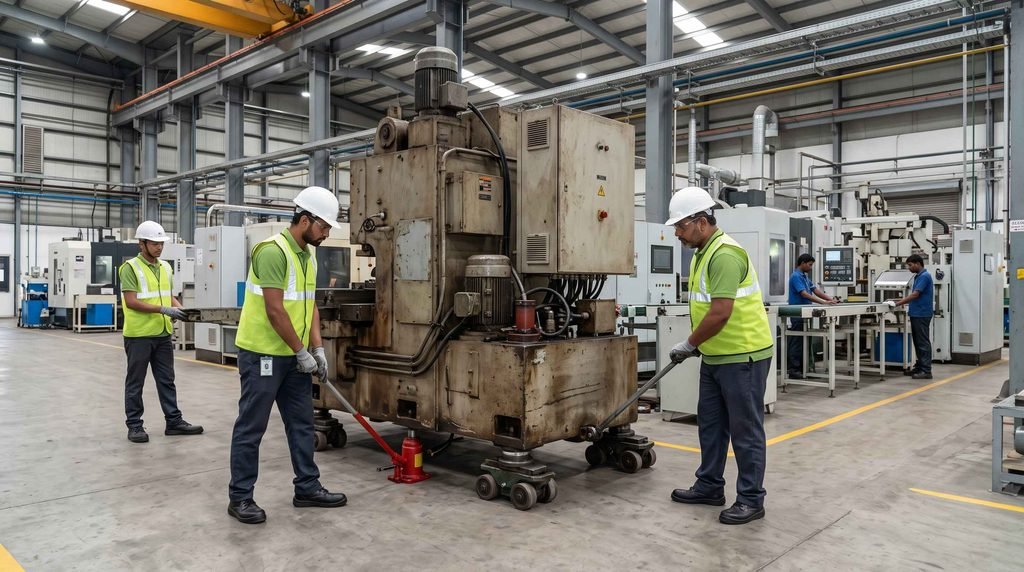
Here is the part that separates a smooth expansion from an expensive mess. In a brownfield project, the plant is still running while you expand it. Every machine you move, every line you dismantle, every utility you tap into happens next to live production that cannot stop.
This is where most expansions lose money. A poorly planned machine move can knock out a running line for days. A rushed dismantling can damage equipment worth crores. The discipline needed here is the same as a precision industrial machine shifting project: anti-vibration handling, correct dismantling sequence, alignment on reinstallation, and a phased plan that protects the lines still in production. Brownfield plant expansion in India succeeds or fails on exactly this discipline.
6. What Manufacturers Must Do Right Now
If your plant is running near its ceiling, treat expansion as a planned programme, not a rushed reaction. Start with an honest audit of current equipment, utilities, and floor space, because the biggest surprises come from dependencies nobody mapped in advance.
Lock your engineering and machine relocation partners early, since good teams get booked as the capex cycle peaks. Sequence civil and utility readiness before equipment arrives. And insist on a phased, zero-downtime method so your existing lines keep producing while the new capacity is built. The manufacturers who plan the physical execution as carefully as the business case are the ones who add output without a costly shutdown.
7. How One World Logix Supports Brownfield Expansion
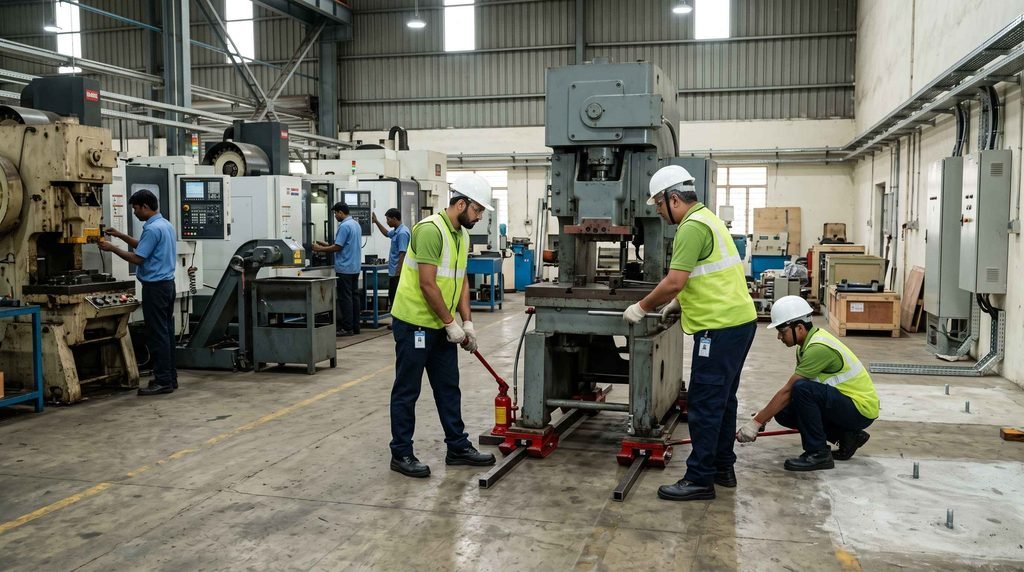
One World Logix turns the physical side of a brownfield project into a controlled, zero-downtime process. As India’s Zero-Downtime Migration Specialists, the team handles machine relocation, line dismantling and reassembly, and full equipment installation across India and 30 plus countries, exactly the work a brownfield expansion demands.
In-house mechanical and electrical engineers run the whole sequence, from the first site assessment through dismantling, transport within or between sites, precision reinstallation, alignment, and commissioning. Anti-vibration handling, owned lifting equipment, and tested sequencing keep your live lines safe while new capacity is added around them. For manufacturers running expansions across multiple plants, or importing new equipment from Germany, Japan, South Korea, or Taiwan, the Global Field Engineer network keeps the full scope under one accountable team.
Completion is defined as the new capacity running correctly, with the existing plant never having stopped, not simply the machines being in place. Backed by 14 years of experience and IAM, GEM, MSME, and ISO 9001:2015 certification, One World Logix is built for the demands of brownfield plant expansion in India.
If you are planning an expansion, modernisation, or capacity addition this year, get a free site assessment before you commit to anyone.
Call: +91-882-882-0887
Email: info@oneworldlogix.com
Website: oneworldlogix.com/owl/machine-shifting
Get a free site assessment for your plant expansion today.