
International data center relocation just got its biggest real-world example of the year, and it did not come from a tech company.
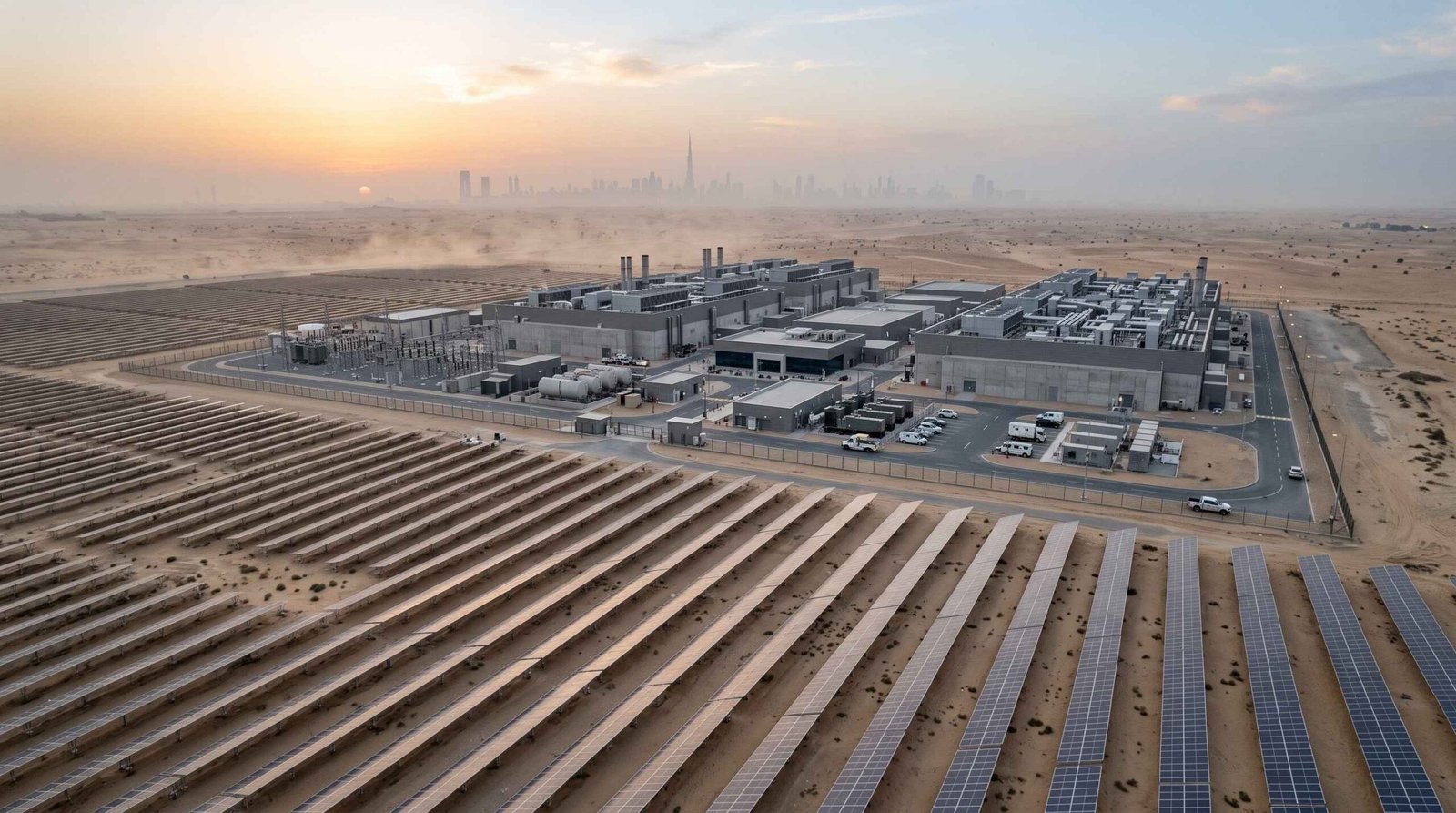
The Emirates Group, one of the world’s largest aviation groups, has confirmed it will start relocating its entire data centre from mid-2026 to Moro Hub in Dubai, the world’s largest solar-powered data centre as certified by Guinness World Records. The new home runs entirely on the Mohammed Bin Rashid Al Maktoum Solar Park, and the move will need around 3,000 megawatts of clean energy a year to run.
When a business this size physically moves its digital backbone, it is a signal worth reading. The days of servers sitting in one building forever are ending. Cost, power, sustainability, and resilience are pushing enterprises everywhere to pick up their infrastructure and move it, sometimes across a city, sometimes across a border. That is exactly what makes international data center relocation the story to watch in 2026.
This guide breaks down what the Emirates move actually involves, why more enterprises are following, what it means for India, and how a business can execute a move like this without losing a single hour of uptime.
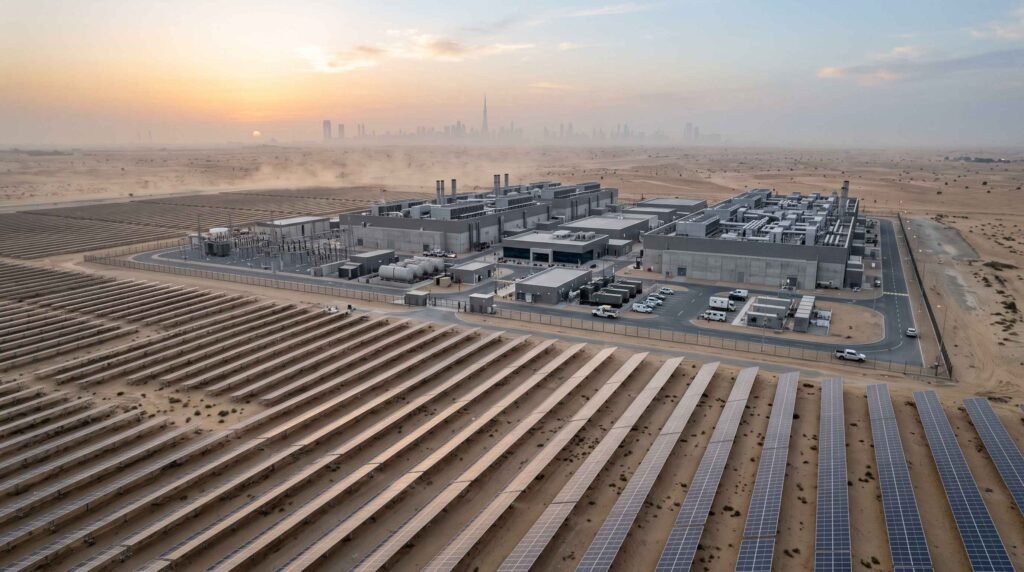
Table of Contents
- International Data Center Relocation: Why the Emirates Move Matters
- Why Enterprises Are Moving Their Data Centres Now
- The Green Energy Angle Driving the Shift
- What This Means for India
- The Physical Reality Behind a Data Centre Move
- What Enterprises Must Do Right Now
- How One World Logix Executes International Data Center Relocation
1. International Data Center Relocation: Why the Emirates Move Matters
Emirates is not a startup experimenting with the cloud. It is a global operation where a few minutes of IT downtime can ripple across flights, bookings, and cargo worldwide. For a group like that to relocate its data centre, the plan has to be watertight.
Moro Hub will give Emirates co-location services covering rack space, power, cooling, and equipment support. The capacity of the Emirates data centre was not made public, but the intent is clear. A marquee enterprise is trading its own building for a specialised, greener, more resilient facility. That is the template other large businesses are now studying, and it puts international data center relocation firmly on the boardroom agenda.
2. Why Enterprises Are Moving Their Data Centres Now
Three forces are pushing this wave, and they rarely act alone.
The first is power. AI and heavier workloads have made older server rooms hungry for electricity they were never designed to supply. The second is cost and resilience. Purpose-built colocation and hyperscale facilities offer better cooling, redundancy, and security than most in-house rooms, often at a lower long-term cost. The third is sustainability, since large enterprises now face real pressure to cut emissions, and their data centre is usually one of the biggest energy consumers they own.
Put those together and the maths changes. Staying put starts to look riskier than moving, and international data center relocation becomes a strategic decision rather than a last resort.
3. The Green Energy Angle Driving the Shift
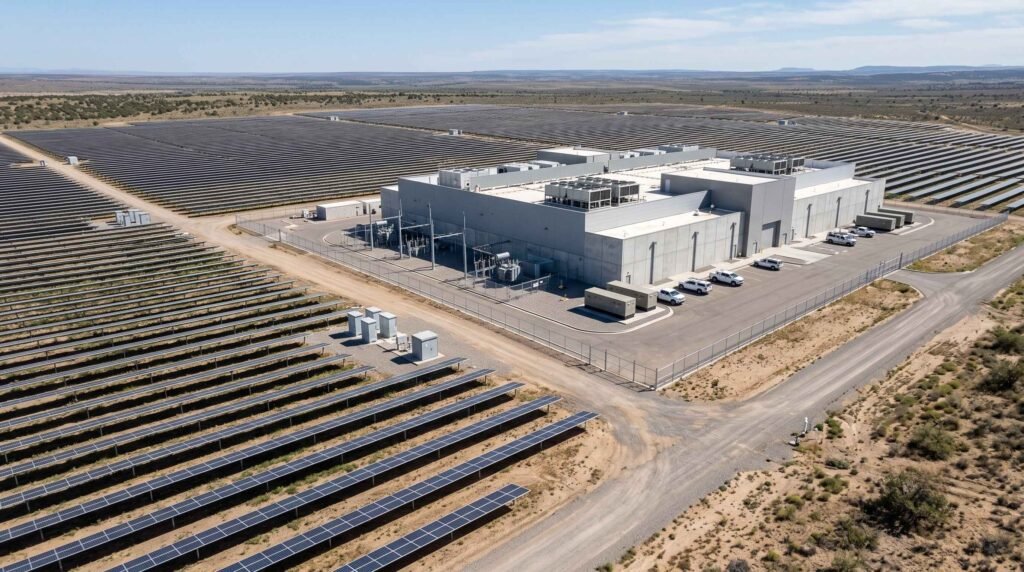
The Emirates move is as much an energy story as a technology one. By shifting to Moro Hub, the group switches its data operations to solar power drawn from a park with a 3 GW capacity, cutting a large slice of its carbon footprint in one move.
This is becoming a pattern. Enterprises are relocating specifically to reach facilities that offer renewable power, better efficiency, and green certifications they cannot achieve in an ageing on-premise room. As boards commit to net-zero targets, the location of the data centre becomes a lever they can actually pull. Expect more international data center relocation deals to be announced on sustainability grounds, not just technical ones.
4. What This Means for India
India sits right in the middle of this shift. The country is building data centre capacity at record pace, with new hyperscale and colocation campuses rising across Mumbai, Navi Mumbai, Hyderabad, Chennai, and beyond, many of them signing renewable energy agreements.
For Indian enterprises, the Emirates example is a preview. As greener, denser, better-connected facilities come online, more Indian businesses will move workloads and hardware out of old server rooms into modern campuses. Global groups with Indian operations may also consolidate or relocate regional infrastructure into or out of the country. Every one of those moves is a physical project, and it needs a partner who can handle international data center relocation end to end.
5. The Physical Reality Behind a Data Centre Move
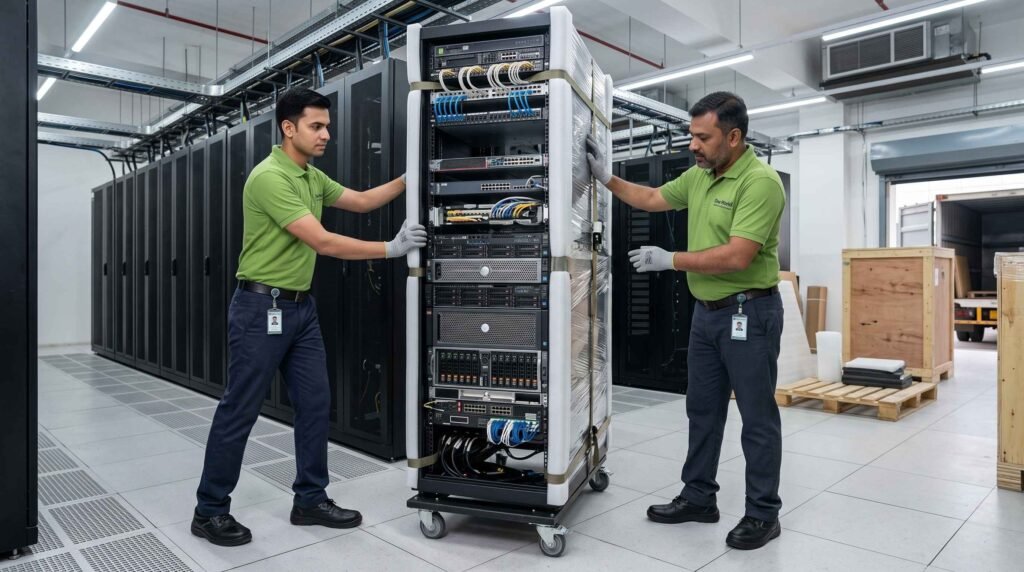
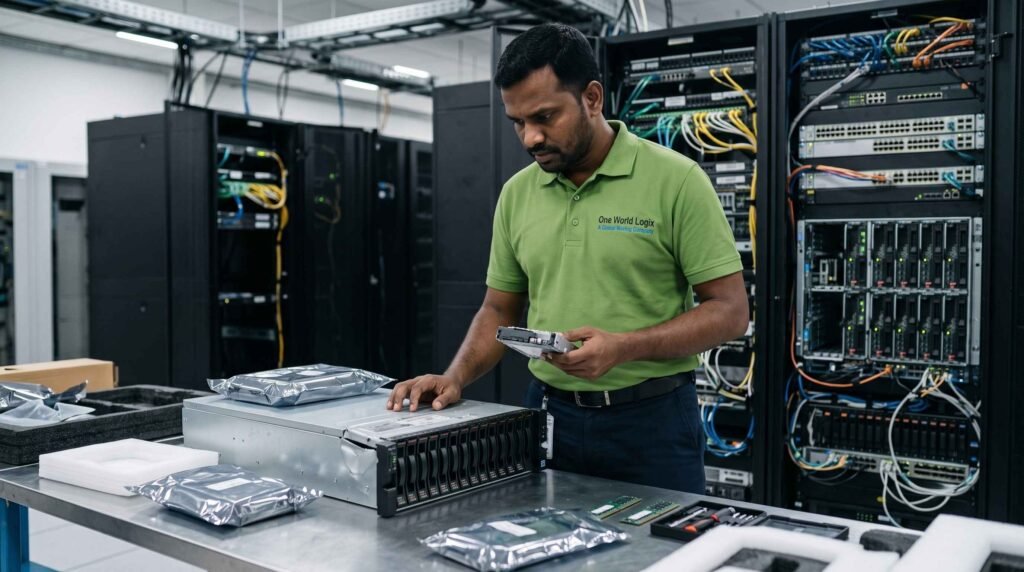
Here is the part the headlines skip. A data centre move sounds like a software task, but the hardware is very real. Servers, storage arrays, network switches, cabling, and UPS systems all have to be powered down in the right order, disconnected, packed, transported, reinstalled, and recommissioned without corrupting data or breaking service.
The risk lives in the physical layer. A storage controller shaken during transport can pass its first test and then fail days later under load. A mislabelled cable can turn a clean cutover into hours of troubleshooting. When the move crosses borders, customs, transit time, and climate all add fresh risks. This is why international data center relocation is treated as controlled surgery, not a van booking, with anti-static handling, cushioned transport, serialised asset tracking, and a tested rollback plan at every step.
6. What Enterprises Must Do Right Now
If your business runs critical IT, treat this wave as a planning trigger. Start with a full audit of what you run and how it connects, because the biggest surprises in any move come from dependencies nobody mapped in advance.
Decide what moves, what stays, and what shifts to colocation or cloud. Lock your relocation partner early, since the best teams get booked as demand rises. Insist on a written zero-downtime method, insurance that covers full replacement value, and a phased cutover so production never stops. Companies that plan the physical move as carefully as the contract are the ones that avoid painful, public outages.
7. How One World Logix Executes International Data Center Relocation
One World Logix turns exactly this challenge into a controlled, zero-downtime process. As India’s Zero-Downtime Migration Specialists, the team handles data center migration and server relocation across India and 30 plus countries, which is what makes cross-border projects manageable rather than frightening.
In-house mechanical and electrical engineers run the whole sequence, from the first site audit through disconnection, packing, transport, reinstallation, and a documented trial run. Anti-static handling, climate-controlled transport, serialised tracking, and tested rollback plans are standard, not extras. For moves that cross borders, like importing or relocating equipment between the UAE, Europe, Southeast Asia, and India, the Global Field Engineer network keeps the entire scope under one accountable project manager.
Completion is defined as the systems running correctly at the new site, with calibration records signed off, not simply the hardware arriving. Backed by 14 years of experience and IAM, GEM, MSME, and ISO 9001:2015 certification, One World Logix is built for the kind of international data center relocation that global enterprises now demand.
If you are planning a move, consolidation, or expansion this year, get a free site assessment before you commit to anyone.
Call: +91-882-882-0887
Email: info@oneworldlogix.com
Website: oneworldlogix.com/owl/data-center-migration
Get a free site assessment for your data center relocation today.