
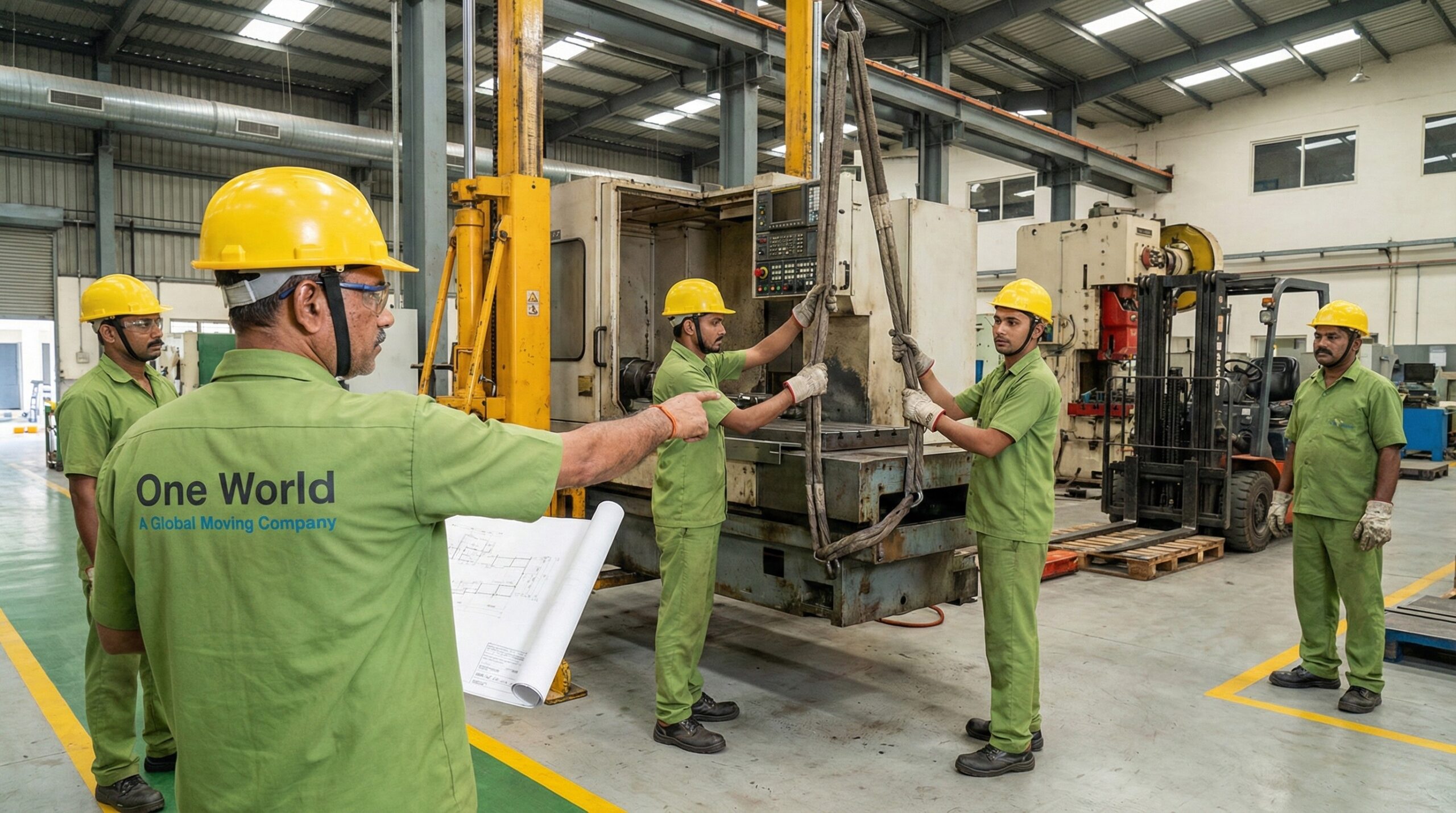
Relocating a factory is not just about shifting equipment — it’s a strategic business decision that directly affects cost, efficiency, and long-term growth.
One of the biggest questions every factory owner faces is the following:
👉 Should we relocate existing machinery or invest in new equipment?
Understanding the factors that influence a factory relocation strategy can help ensure a successful transition.
This decision plays a major role in downtime, ROI, and competitiveness, especially in India, where industries are rapidly shifting to states like Gujarat, Tamil Nadu, and Maharashtra for better infrastructure.
What is a factory relocation strategy?
A factory relocation strategy is a structured plan to move operations from one location to another while minimizing disruption and maximizing efficiency. Developing a comprehensive factory relocation strategy is crucial for businesses looking to optimize their operations.
It includes:
- Machinery movement planning
- Cost evaluation
- Installation and commissioning
- Workforce and process alignment
For example, a Chennai-based manufacturing unit relocating to Hosur improved efficiency by 15% after upgrading part of its machinery during relocation.
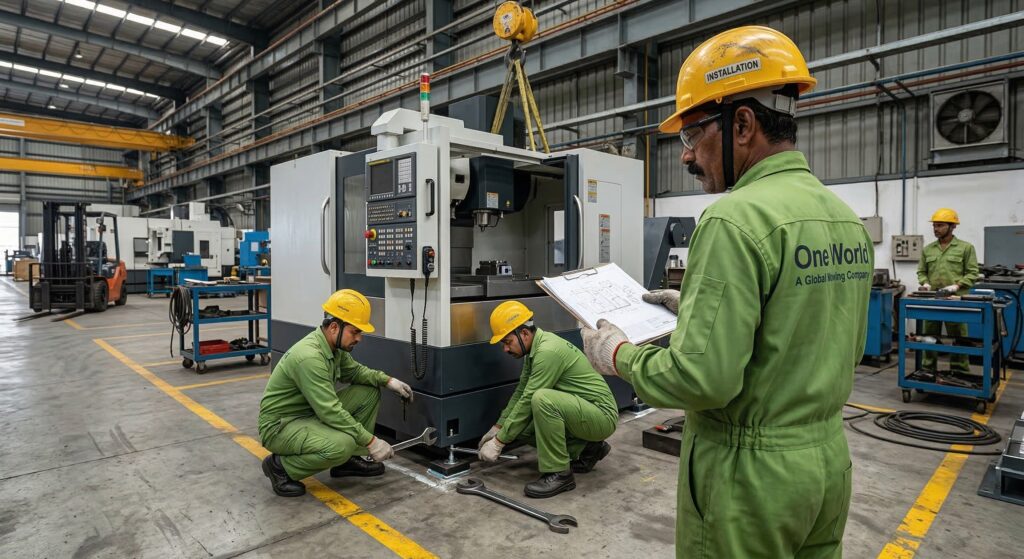
Key Factors in Decision Making
Before choosing between buying vs. relocating machinery, consider these:
💰 1. Total Cost (Direct + Hidden)
- Transport cost: ₹5–10 lakh per heavy machine
- Downtime cost: up to ₹50,000/hour
- Hidden costs: damage, reinstallation, delays
2. Downtime Impact
- Relocation: 4–8 weeks downtime
- New machinery: 2–4 weeks setup (modern systems faster)
3. Machine Condition
- Machines above 70% lifecycle → high risk
- Older machines → more breakdown after relocation
4. Technology Upgrade Needs
- New machines offer 20–30% productivity boost
- Old machines lack automation & IoT integration
5. Logistics Complexity
Heavy machines (50+ tons) require specialized rigging and planning.
Around 25% relocation projects face delays due to poor planning.
Relocating Old Machinery – Pros & Cons
✅ Advantages
- 40–60% cost saving compared to buying new
- No retraining required
- Faster restart (in some cases)
⚠️ Disadvantages
- 10–15% risk of damage during transit
- Older machines consume 20% more energy
- Long-term inefficiency
👉 Example: A Pune forging plant saved ₹1.5 crore initially but faced 18% production loss
Buying New Machinery – Pros & Cons
✅ Advantages
- 25–40% faster production cycles
- 15–30% energy savings
- Predictive maintenance reduces breakdowns by 50%
⚠️ Disadvantages
- High investment (₹3–10 crore)
- Training required
- Initial setup time
👉 Example: A Gujarat pharma plant reached 95% production capacity in 6 weeks after installing new machines.
📊 Cost Comparison Table
| Factor | Relocating Old Machinery | Buying New Machinery |
|---|---|---|
| Upfront Cost | ₹1–3 crore | ₹4–8 crore |
| Downtime Cost | ₹2–5 crore | ₹1–3 crore |
| Operating Cost | High | Lower |
| 5-Year Cost | ₹8–12 crore | ₹10–15 crore |
| Risk | High | Low |
(Industrial benchmark data adapted from consulting reports)
📈 ROI Analysis (Simple Explanation)
ROI formula:
ROI = (Profit – Investment) / Investment × 100
Example:
- Relocation cost: ₹2 crore
- Savings: ₹1 crore/year
👉 Break-even: 2–3 years
👉 ROI: 100% in 3 years
New machinery:
- Investment: ₹5 crore
- Returns: ₹1.5 crore/year
👉 ROI: ~25% annually after break-even
When to Relocate vs When to Buy New
✅ Relocate Machinery If:
- Machine lifecycle < 60%
- The budget is limited
- Distance is short (<200 km)
- Technology still relevant
✅ Buy New Machinery If:
- Machines are outdated
- Need automation / Industry 4.0
- Long-distance relocation
- Government incentives available
Best Strategy (Hybrid)
Most companies choose the following:
👉 Relocate critical machines + upgrade outdated ones
This gives:
- Cost savings
- Performance improvement
- Lower risk
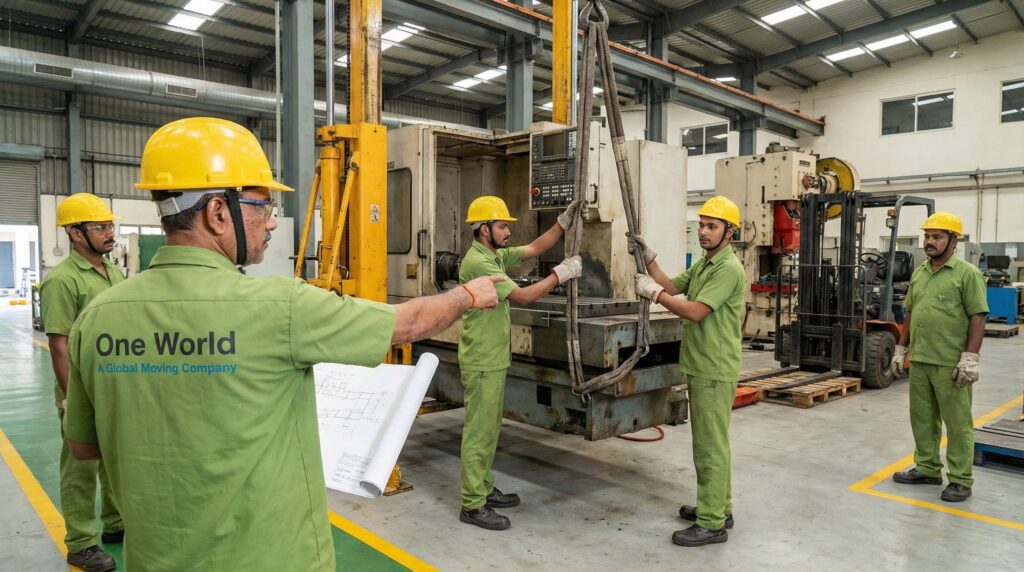
Expert Tips (Real Industrial Insights)
- Always conduct pre-move machine audit
- Use certified rigging professionals
- Insure machinery during transport
- Do trial setup before final installation
- Use ERP tracking → reduces errors by 30%
Risk Reduction Checklist
- Machine condition inspection
- Proper lifting equipment
- Alignment and calibration planning
- Backup production plan
- Safety compliance
Conclusion
Choosing between buying new machinery vs. relocating old equipment is not just a cost decision—it’s a long-term business strategy.
- Relocation = short-term savings
- New machinery = long-term efficiency
- Hybrid = best balance
A well-planned factory relocation strategy ensures the following:
✅ Reduced downtime
✅ Better ROI
✅ Improved productivity
FAQs
What is a factory relocation strategy?
A factory relocation strategy is a structured plan to move manufacturing operations efficiently while minimizing cost, downtime, and operational risk.
Should I relocate or replace machinery?
Relocate if machines are modern and functional. Replace if they are outdated or inefficient.
What is the cost of factory relocation in India?
For mid-sized plants, costs range between ₹5–15 crore depending on machinery, distance, and complexity.
What is the biggest risk in machinery relocation?
Machine damage and downtime are the biggest risks, which can be minimized with proper planning and experts.
During factory relocation, companies must follow proper industrial safety regulations in India to ensure safe machinery handling and worker protection.