
Protecting heavy machinery from moisture, corrosion, and transit damage during long-distance transport
Heavy machinery is designed to operate under controlled industrial conditions, not to withstand long periods of exposure to humidity, vibration, salt air, or repeated handling. When such equipment is transported over long distances, especially through sea routes or extended road and multimodal transit the risk profile changes completely. This is where seaworthy packing becomes essential.
Seaworthy packing, It is a preventive measure designed to ensure that heavy machinery reaches its destination in the same mechanical and structural condition in which it was dispatched.
Understanding the Transport Risks for Heavy Machinery
During long-distance transport, heavy machinery is exposed to conditions that are unpredictable and often unavoidable. These include fluctuating humidity levels, temperature changes, vibration from continuous movement, and multiple loading and unloading points.
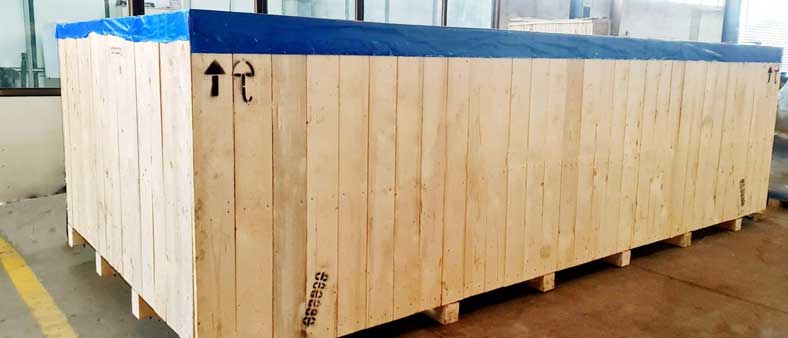
Unlike standard goods, heavy machinery contains precision-fitted components, machined surfaces, bearings, electrical systems, and structural elements that can deteriorate if exposed to moisture or uncontrolled movement. Even minor corrosion or internal shifting during transit can result in operational issues once the machine is installed.
Seaworthy packing is designed specifically to manage these risks rather than react to damage later.
Protection Against Moisture and Humidity
One of the primary reasons seaworthy packing is used is to protect heavy machinery from moisture exposure. Sea transport and long-haul logistics environments often involve high humidity, condensation, and salt-laden air, all of which accelerate corrosion.
Seaworthy packing methods incorporate moisture barriers, anti-corrosion treatments, and controlled sealing techniques. These measures prevent moisture from reaching critical metal surfaces and internal components. Without such protection, corrosion can begin during transit itself, long before the machine is installed.
Preventing Corrosion and Surface Degradation
Heavy machinery often includes precision-machined parts, shafts, guideways, and mounting surfaces. Corrosion on these areas does not just affect appearance—it directly impacts alignment, accuracy, and load-bearing capability.
Sea-worthy packing focuses on isolating these surfaces from the environment. By using appropriate coatings, wrapping systems, and sealed enclosures, the risk of oxidation and surface damage is significantly reduced. This ensures that the machinery does not require corrective repairs or refinishing after arrival.
Controlling Movement and Vibration During Transit
Long-distance transport exposes machinery to continuous vibration and occasional shock loads. If not properly secured, internal components can shift, fasteners can loosen, and structural stress can develop over time.
Seaworthy packing includes controlled blocking, bracing, and securing methods that restrict unwanted movement. The objective is not to make the machine immobile but to ensure that forces are distributed safely without affecting internal alignment or structural integrity.
Protection During Multiple Handling Stages
Heavy machinery rarely moves directly from origin to destination. It is often handled multiple times—during loading, port operations, container stuffing, de-stuffing, and final delivery.
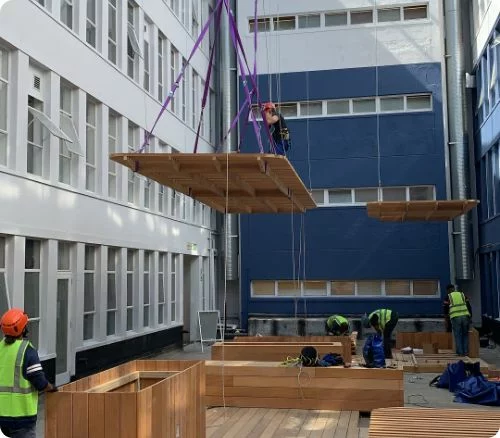
Each handling stage increases the risk of impact or improper lifting. Seaworthy packing provides a structural layer of protection that shields the machine from minor impacts and handling inconsistencies, reducing dependency on perfect conditions at every stage.
Ensuring Machinery Is Ready for Installation
One of the key advantages of packing is that it allows heavy machinery to arrive installation-ready, rather than repair-dependent. Machinery that arrives with corrosion, contamination, or internal movement often requires additional inspection, cleaning, and corrective work before installation.
By using seaworthy packing, the focus remains on planned installation and commissioning, not damage assessment and recovery.
Why Standard Packing Is Not Enough for Heavy Machinery
Standard packing methods may be suitable for short-distance or low-risk movements, but they are not designed for prolonged exposure to harsh transport environments. Heavy machinery demands a higher level of protection because the cost of damage is not limited to repair it extends to downtime, production loss, and performance degradation.
Seaworthy packing is used in heavy machinery transportation because the risks involved in long-distance movement are real, cumulative, and often irreversible. Moisture, corrosion, vibration, and repeated handling can compromise machinery long before it reaches its destination.
By applying this packing methods, heavy machinery is protected at every stage of transit, ensuring it arrives in a condition suitable for safe installation and reliable operation