
Step-by-step process of Brownfield Plant Relocation in operational plants
Brownfield plant relocation involves shifting an already established and often operational industrial facility. It demands careful coordination with existing production schedules, legacy machinery, and live utilities. Every activity must be planned in detail to avoid production loss, safety risks, or equipment damage. Below is a detailed explanation of each stage involved in a successful Brownfield Plant Relocation, explained with clarity and practical industry insight.
1. Detailed Site Survey & Technical Assessment
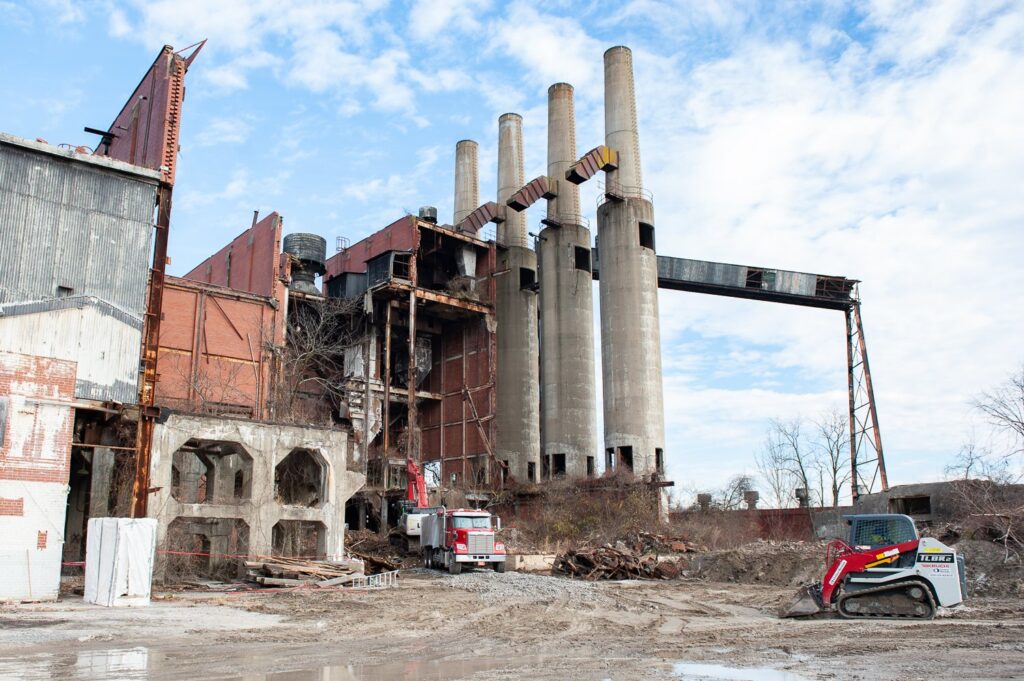
Brownfield plant relocation always begins with a detailed site survey, as existing plants have space constraints, live utilities, and legacy equipment. This stage helps in understanding real site conditions and planning the relocation without disturbing ongoing operations.
Key activities involved in this stage include:
- Measuring machine dimensions, weight, and foundation details
- Studying existing layouts, access routes, and movement paths
- Checking floor load capacity and structural limitations
- Identifying electrical, pneumatic, hydraulic, and water connections
- Assessing safety risks and statutory requirements
A proper site survey forms the backbone of a successful Brownfield Plant Relocation project and avoids unexpected delays during execution.
2. Relocation Planning & Method Statement Preparation
After the survey, detailed planning is carried out to define how the relocation will be executed. Since most plants remain partially operational, planning focuses on minimizing downtime and ensuring smooth coordination.
This stage typically includes
- Phase-wise dismantling and shifting strategy
- Shutdown and production coordination planning
- Selection of lifting methods, tools, and equipment
- Preparation of method statements and risk assessments
- Finalizing timelines and manpower deployment
Strong planning ensures the relocation progresses in a controlled, safe, and predictable manner.
3. Machine Tagging, Labeling & Documentation
Accurate documentation is critical in Brownfield Plant Relocation, especially when machines need to be reinstalled exactly as per original configuration. Before dismantling, all components are systematically recorded.
Activities covered under this stage are:
- Tagging and numbering of machines and sub-assemblies
- Labeling of cables, pipelines, and utility connections
- Photographic and video documentation
- Preparation of dismantling drawings and reference notes
Proper documentation ensures error-free reinstallation and faster commissioning at the new plant location.
4. Safe Plant & Machinery Dismantling
Dismantling is one of the most sensitive stages in Brownfield Plant Relocation. Since equipment is often old or customized, dismantling must be carried out carefully to prevent damage.
The dismantling process includes:
- Safe isolation of electrical, hydraulic, and pneumatic systems
- Mechanical dismantling by trained technicians
- Controlled lifting using cranes, hydraulic jacks, and chain pulleys
- Protection of surrounding equipment, floors, and structures
5. Preparation of Dismantling Layouts & Reinstallation Diagrams
To ensure smooth reassembly, detailed layouts and diagrams are prepared during relocation. These documents act as a roadmap for installation at the new site.
This step includes:
- Machine orientation and positioning diagrams
- Foundation reference and leveling details
- Utility routing and connection plans
- Sequence planning for reinstallation
6. Industrial Packing & Equipment Protection
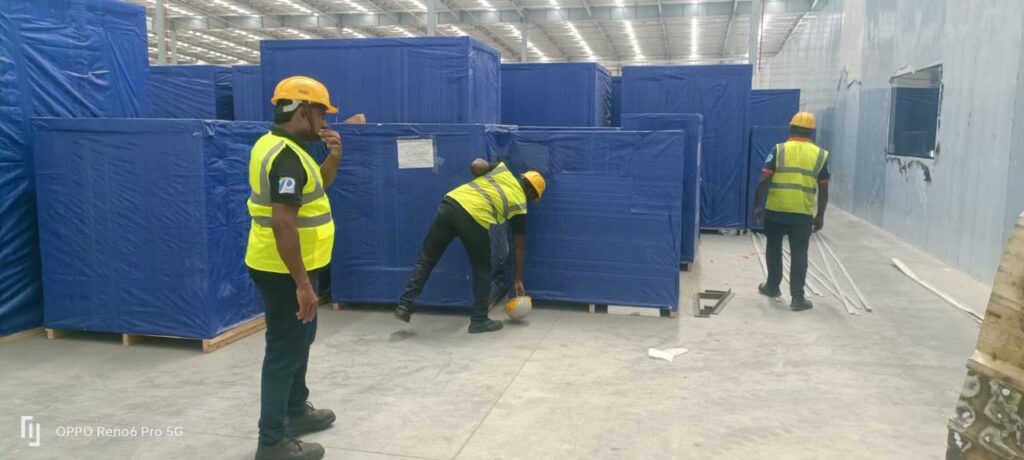
Industrial packing plays a crucial role in protecting machinery during relocation. Packing methods are selected based on equipment sensitivity and transport conditions.
Packing activities generally include:
- Heavy-duty wooden box packing for large equipment
- Vacuum packing for precision and electronic components
- Rust-preventive wrapping and moisture protection
- Shock and vibration-resistant packing
Proper packing ensures equipment reaches the new location in perfect condition.
7. Transportation & Relocation Logistics Management
Logistics planning ensures safe and timely movement of machinery during relocation. Transportation challenges are addressed well in advance to avoid transit risks.
This stage involves:
- Route surveys for heavy and over-dimensional cargo
- Selection of suitable trailers and transport vehicles
- Safe loading, lashing, and securing of machinery
- Transit coordination and monitoring
Well-planned logistics minimize delays, damage, and compliance issues.
8. Unloading, Positioning & Machine Installation
At the destination, accurate unloading and installation are essential for successful Brownfield Plant Relocation. Machines are positioned strictly as per approved layouts.
Installation activities include:
- Controlled unloading using cranes and lifting equipment
- Final positioning and alignment of machinery
- Leveling, grouting, and anchoring
- Mechanical assembly and fastening
Precision at this stage ensures long-term machine performance and safety.
9. Utility Reconnection & System Integration
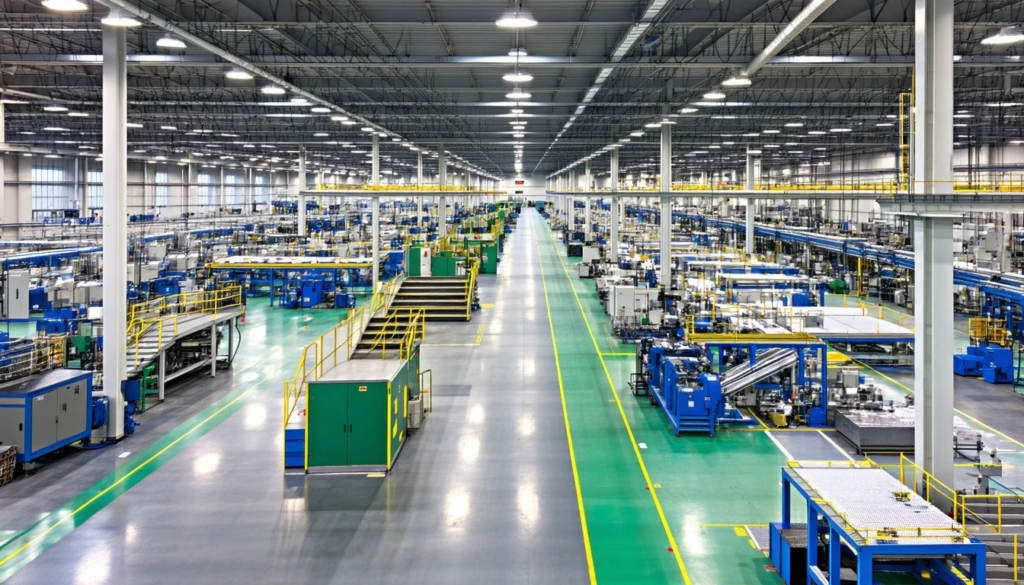
Once machines are installed, utilities are reconnected carefully to restore full functionality after Brownfield Plant Relocation.
This includes:
- Electrical cabling and panel connections
- Air, water, hydraulic, and gas line reconnection
- Control system and interlock integration
- Safety checks and compliance verification
Proper integration ensures machines operate reliably in the new setup.
10. Testing, Trial Runs and Final Commissioning
The final stage of relocation focuses on validating performance before full production starts.
Commissioning activities include:
- Dry runs and functional testing
- Alignment and calibration checks
- Safety inspections and validations
- Trial production runs
Successful commissioning confirms that the relocated plant is ready for normal operations.
Safety Practices Followed During Brownfield Plant Relocation
Safety remains a top priority throughout the relocation process. Certified lifting tools, proper PPE, detailed risk assessments, and toolbox talks are mandatory at every stage. Load calculations, emergency response planning, and constant supervision help prevent accidents and ensure compliance with safety regulations.
Importance of Professional Brownfield Plant Relocation Services
It involves high-value assets, tight timelines, and operational risks. Professional relocation partners bring technical expertise, experienced manpower, and proven execution methods. Their structured approach helps reduce downtime, avoid equipment damage, and ensure faster stabilization at the new plant location.
Conclusion
A well-executed brownfield plant relocation requires detailed planning, accurate documentation, safe dismantling, secure packing, efficient logistics, and precise reinstallation. When handled by experienced professionals, brownfield relocation can be completed smoothly with minimal business disruption. Choosing the right relocation partner is key to ensuring safety, efficiency, and long-term operational success.