
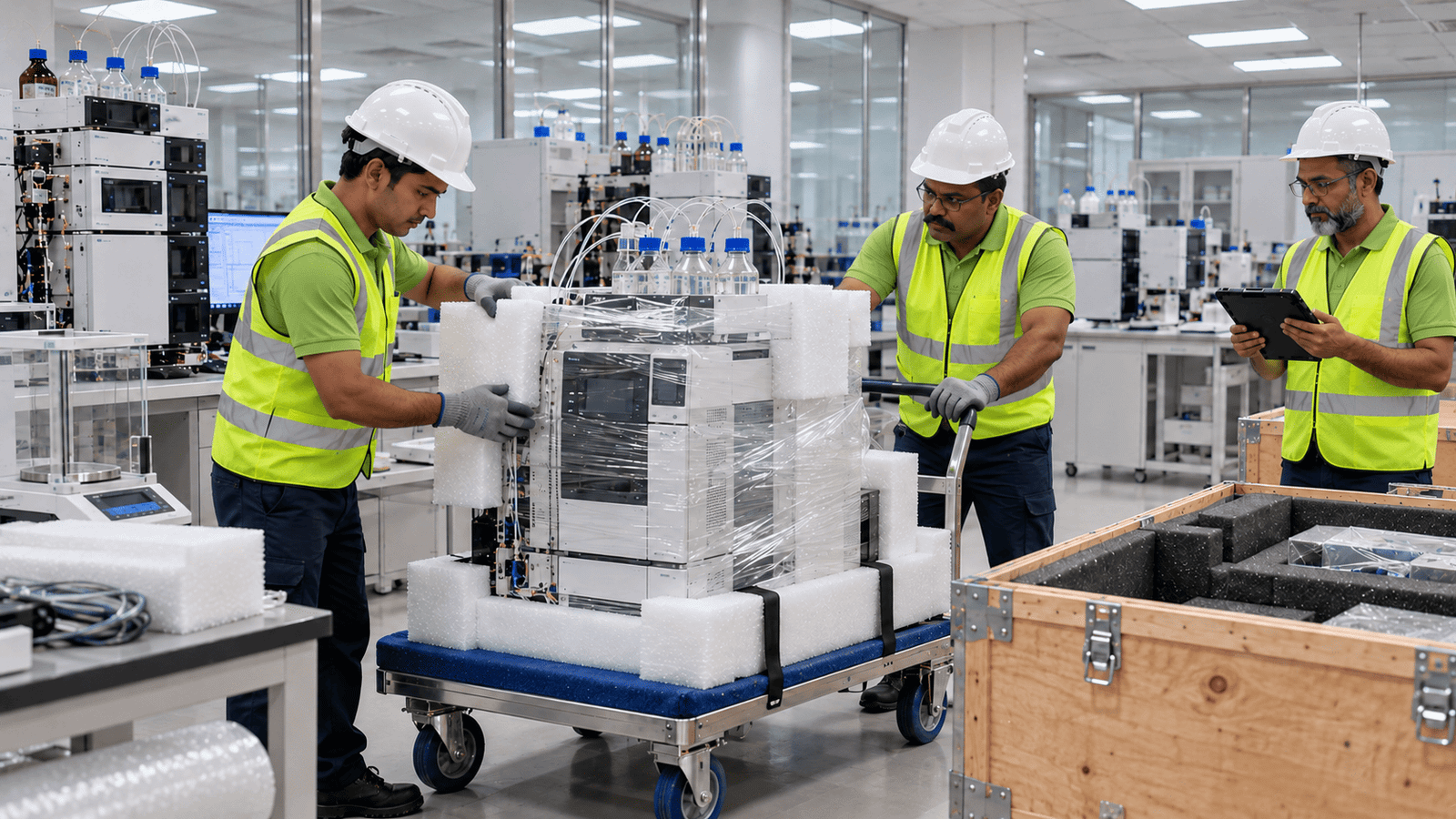
Lab relocation services India exist because moving a laboratory is nothing like moving an office, and treating it that way is how research gets lost, instruments get damaged, and compliance gets broken.
A lab is full of high-precision instruments, sensitive biological or chemical materials, hazardous substances, and strict regulatory obligations. Equipment tolerances, environmental requirements, and compliance standards vary widely from one lab to the next, which is exactly why a laboratory move cannot be handled as a generic logistics job.
Whether it is a pharma QC lab, an R&D facility, a testing lab, or a university research centre, the move has to protect assets, data, and research continuity at every step. This guide explains what professional lab relocation services India actually involve, why lab equipment needs specialist handling, and how to choose a partner who delivers a safe, compliant, low-risk move.
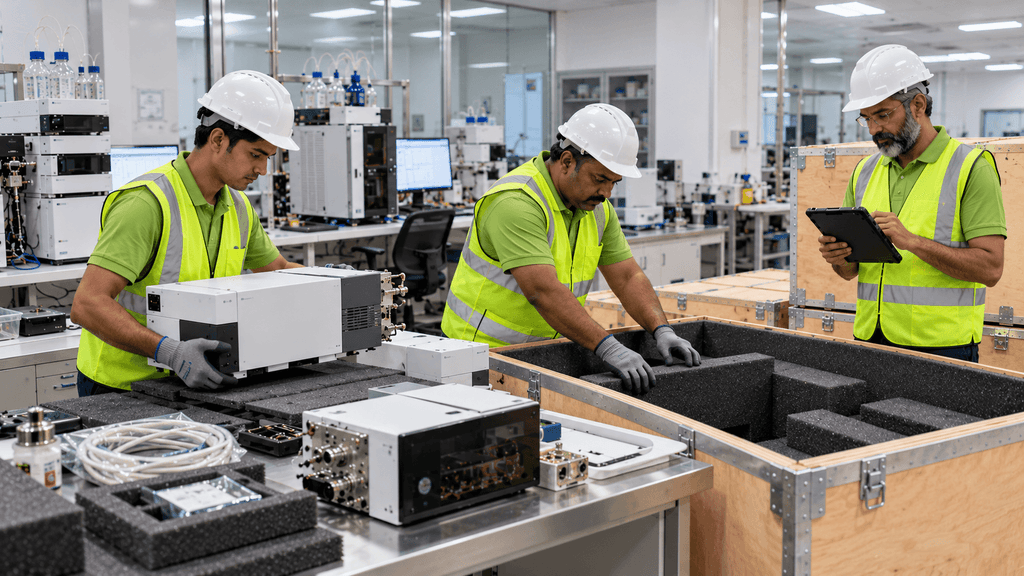
Table of Contents
- What Lab Relocation Services India Involve
- Why Lab Equipment Is Not Ordinary Equipment
- Calibration and Re-Validation After the Move
- Contamination Control and Clean Handling
- Types of Labs We Move
- How to Choose a Lab Relocation Partner
- How One World Logix Handles Lab Relocation Services India
1. What Lab Relocation Services India Involve
Lab relocation services India cover the controlled movement of an entire laboratory, from high-precision instruments and sample storage to furniture, utilities, and hazardous materials, either within a building, between sites, or across cities.
It is a managed project, not a transport job. The scope runs from a detailed lab audit and equipment assessment, through move sequencing, custom crating, controlled transport, and reinstallation, all the way to calibration, testing, and validation at the new site. The move is only complete when every instrument is operational and verified, not when the boxes arrive.
2. Why Lab Equipment Is Not Ordinary Equipment
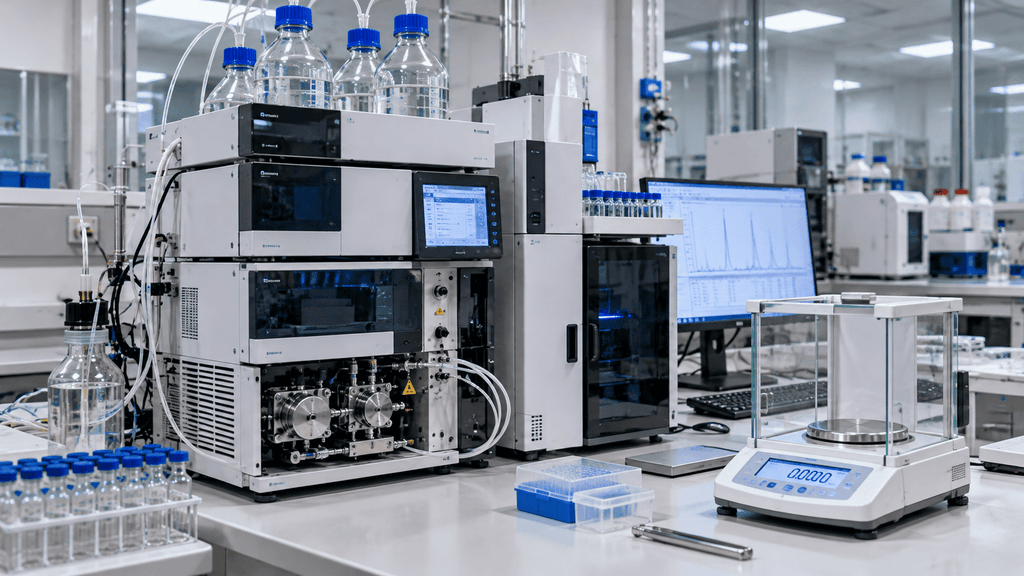
Laboratory equipment is not designed to be moved. Microscopes, chromatography and spectroscopy systems, centrifuges, incubators, and analytical balances hold tolerances so fine that even minor vibration, shock, or temperature change can throw them out of specification.
The damage is often invisible at first. An instrument can survive the journey, power on, and still return inaccurate readings that only surface during a critical test weeks later. This is why lab relocation services India rely on trained personnel and protective handling rather than general movers, because improper handling leads to misalignment, calibration loss, or permanent damage.
3. Calibration and Re-Validation After the Move
This is the step that separates a real lab move from an ordinary one. After relocation, instruments cannot simply be switched on and used. Each one has to be re-levelled, recalibrated, and functionally tested against its original performance baseline before it goes back into service.
For regulated labs, this extends to full re-validation under the relevant quality protocols, with documented evidence that the instrument performs exactly as it did before. Professional lab relocation services India plan this calibration and validation phase into the move from the start, so research or testing resumes quickly and with confidence, not after weeks of troubleshooting.
4. Contamination Control and Clean Handling
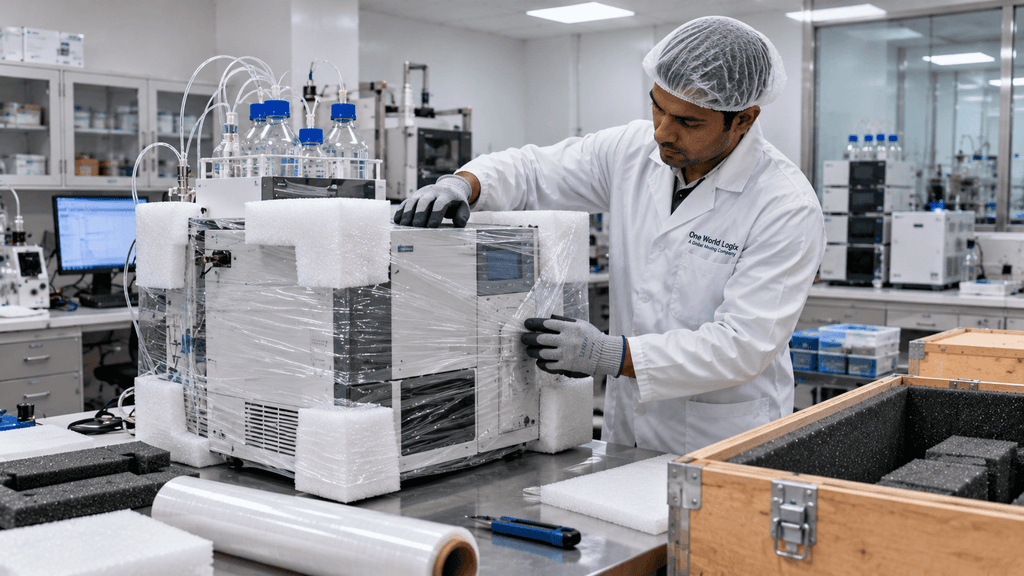
Many labs operate under controlled or clean conditions, and that discipline has to travel with the equipment. Sensitive samples, reagents, and instruments must be protected from particulate, microbial, and cross-contamination throughout the move.
That means custom crating and protective packaging, temperature-controlled transport for sensitive samples, and documented decontamination and site clearance where required. The same clean-handling rigour used in precision equipment and machine handling applies here, scaled to lab-grade standards. Hazardous materials add another layer, needing safe handling, correct permits, and trained crew, all of which complete lab relocation services India build into the plan.
5. Types of Labs We Move
No two labs are the same, and each type carries its own requirements. Pharma QC labs demand GMP-aligned handling, documentation, and re-validation. R&D labs hold irreplaceable experiments and prototypes that need careful sequencing so research continuity is protected.
Testing and calibration labs rely on instruments whose accuracy is the entire value of the business, so calibration after the move is non-negotiable. University and research-institute labs mix delicate instruments with chemical and biological materials, while clinical and diagnostic labs add patient-sample sensitivity and strict compliance. Strong lab relocation services India adapt the method to each of these, rather than applying one generic process.
6. How to Choose a Lab Relocation Partner
Judge providers on expertise first. Ask whether they have moved laboratories before, how they handle calibration and re-validation, and whether they coordinate with your lab managers and compliance team. Confirm that trained personnel, not general packers, will handle your instruments and hazardous materials.
Check that they offer custom crating, temperature-controlled transport, full asset inventory with chain of custody, and documentation at every stage. Insurance must cover the real value of your equipment. A serious partner in lab relocation services India will answer all of this with specifics and references, because vagueness here is a direct risk to your research and your compliance.
7. How One World Logix Handles Lab Relocation Services India
One World Logix moves laboratories as controlled, fully documented projects. The team handles lab audits and equipment assessment, move sequencing, custom crating, temperature-controlled transport, hazardous-material compliance, reinstallation, and post-move calibration and validation, so your lab is research-ready on day one.
Trained personnel and in-house engineers run every phase, backed by owned handling equipment, strict inventory control, and an audit-ready paper trail. With 14 years of experience, operations across 30 plus cities and 30 plus countries, and IAM, GEM, MSME, and ISO 9001:2015 certification, One World Logix delivers lab relocation services India for pharma, R&D, testing, university, and clinical labs, including full industrial plant relocation when an entire facility is on the move.
If you are planning a laboratory move this year, get a free site survey before you commit to anyone. One World Logix will plan the whole relocation around your research and protect every instrument and sample.
Call: +91-882-882-0887
Email: info@oneworldlogix.com
Website: oneworldlogix.com
Get a free site survey for your lab relocation today.