
Essential packaging methods every business should follow for a risk-free data center relocation.
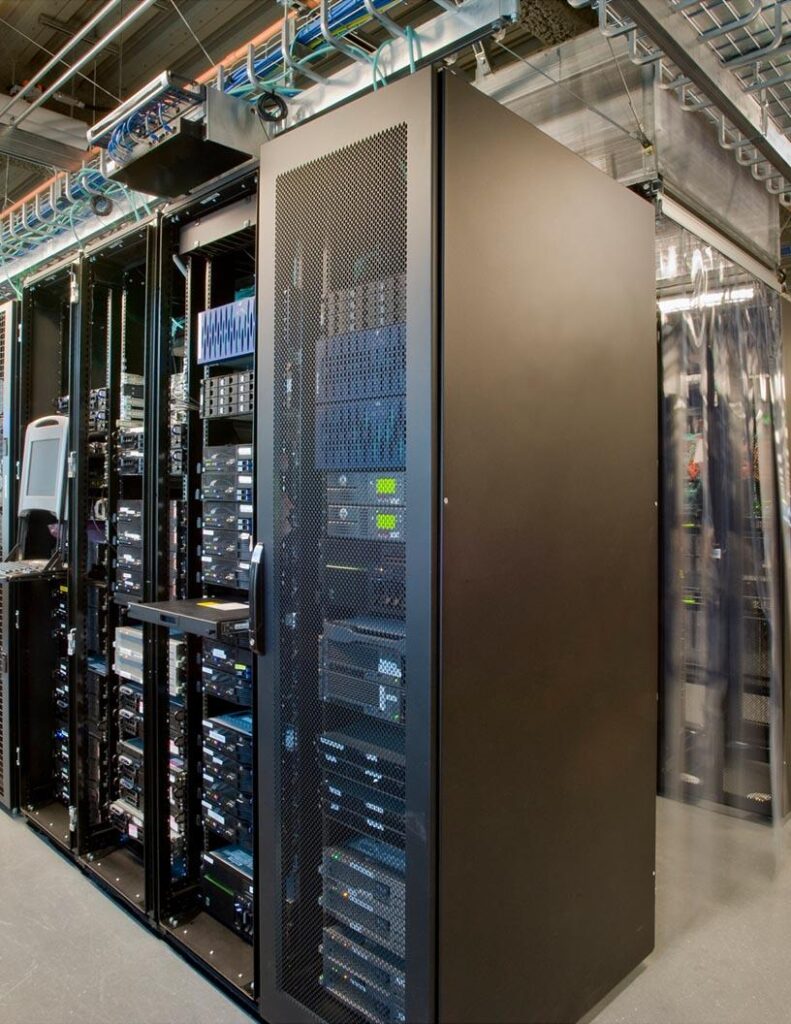
When a company decides to move its data center, the first thought is usually about bandwidth, backups, migration schedules, or vendor coordination. But in reality, the project’s success often depends on something far simpler how well your servers are physically protected before they even leave the rack. A bump on a staircase, a sudden vibration inside the vehicle, or a tiny static discharge can do more damage than the entire relocation plan. That’s why proper packaging isn’t just “packing.” It is the foundation of a safe and reliable data center relocation.
We see packaging as a safety layer that keeps your infrastructure stable, secure, and ready to run the moment it reaches its new home.
Why Packaging Is a Critical Part of Data Center Relocation
Servers may look sturdy from the outside, but inside, they are extremely sensitive. Hard drives, network cards, circuit boards – everything is vulnerable to shock, moisture, or mishandling.
Proper packaging solves these issues before they even show up:
1. It Blocks Vibration and Sudden Impact
Even premium-grade servers can’t tolerate continuous jolting during transportation. Anti-static foam, bubble wrap, and 7-layer protection absorb the vibration so internal components remain safe.
2. It Protects Against Moisture
Server components react instantly to humidity. Silica gel packs and moisture-control layers prevent condensation or corrosion during long-distance moves.
3. It Prevents Static Discharge
Static is invisible but dangerous. Anti-static wraps ensure that sensitive boards and ports are not damaged by electrostatic shock.
4. It Keeps Every Cable Accounted For
Cable dressing and organized packing reduce confusion at the new site and ensure reinstallation happens quickly.
How Oneworld Logix Packages Servers for Safe Data Center Relocation
We don’t treat server packaging as a last-minute task. It is a well-defined process handled by a trained team.
Step 1: Inventory and Mapping for Data Center Relocation
Before touching any equipment, we record everything device type, rack position, U-height, serial numbers, cable paths, and port mapping. This ensures nothing is misplaced and everything is trackable during the shift.
Step 2: Anti-Static Layering
Each server is wrapped using anti-static sheets and bubble wraps. We use special materials designed for IT hardware so the surface doesn’t scratch and internal parts stay protected.
Step 3: 7-Layer Protective Packaging
This includes:
- foam sheet
- bubble layer
- corrugated roll
- stretch film
- shrink layer
- corner protection
- outer cushioning
Together, this creates a shockproof envelope around every server.
Step 4: Moisture Protection
Silica gel and moisture absorbers are placed strategically to prevent humidity exposure.
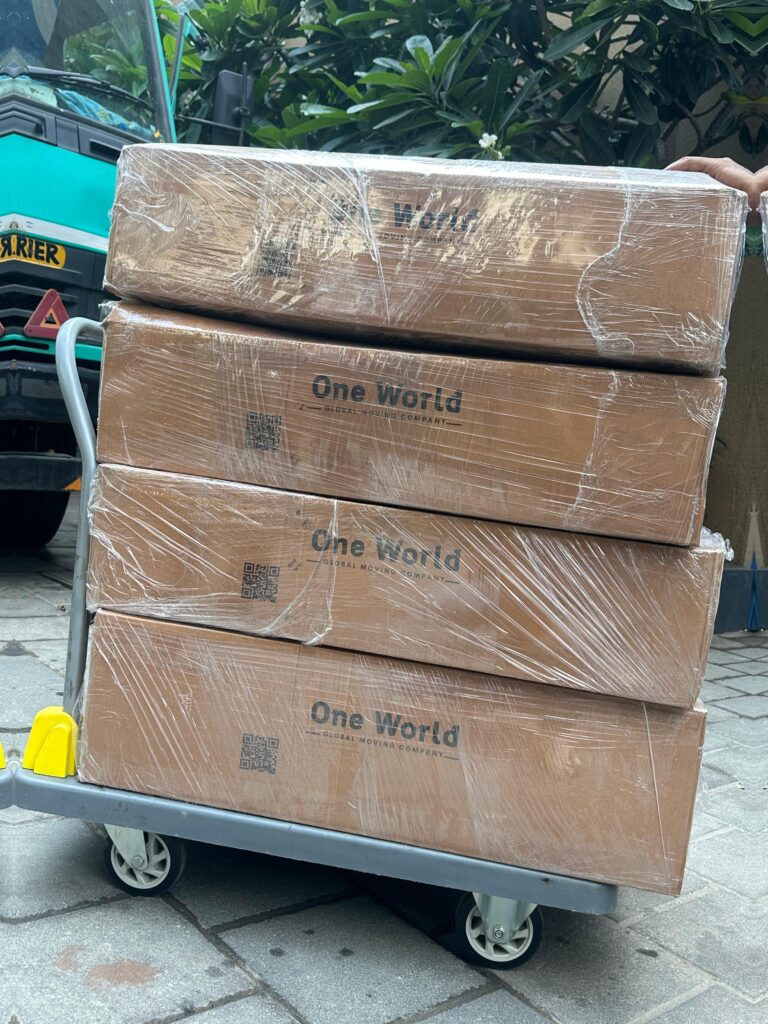
Step 5: Secure Crating & Labeling
Every packaged server is placed in a crate, tagged, and sealed. Labels include:
- rack ID
- device name
- destination rack position
- cable numbers
- port details
This makes the reinstallation process smooth and precise.
How Good Packaging Reduces Risks During Server and Data Relocation
Less Downtime
With servers packed and secured properly, there are no surprises during unboxing — which means faster power-up and less downtime.
Lower Damage Probability
Better packaging means fewer repairs, fewer replacements, and fewer unexpected failures after relocation.
Safer Handling During Loading & Unloading of Data Center Relocation
Cushioned crates and proper weight distribution reduce the chances of dropping or tilting, especially in tight data center spaces.
Smoother Reinstallation
Because everything is labeled and mapped before packing, there is no confusion while reconnecting cables or positioning equipment.
Packaging as Part of a Bigger Data Center Relocation Plan
At Oneworld Logix, packaging isn’t an isolated step. It’s part of a full, structured data center relocation workflow:
- Site survey to understand access points, floor load capacity, and movement restrictions
- Dependency mapping of servers and applications
- Graceful shutdown before removing equipment
- Careful unmounting and anti-static packing
- Secured transportation with chain-of-custody tracking
- Reinstallation and rack alignment at the new data center
- Final testing and validation
Every stage is designed to protect your infrastructure and minimize downtime.
A data center relocation is not just a technical shift it’s a physical movement of your company’s most valuable hardware. And the smallest mistake often comes from the simplest overlooked detail: packaging.
Proper packaging is not an add-on service; it is the first line of protection for your servers. With a structured approach, the right materials, and a skilled team, Oneworld Logix ensures your data center moves from Point A to Point B safely, smoothly, and confidently.